
IL RE DEI CIARLATANI – Le canzoni di Dario Fo
Le canzoni di Dario Fo
18 luglio ore 20 – Teatro Maria Carta Pula
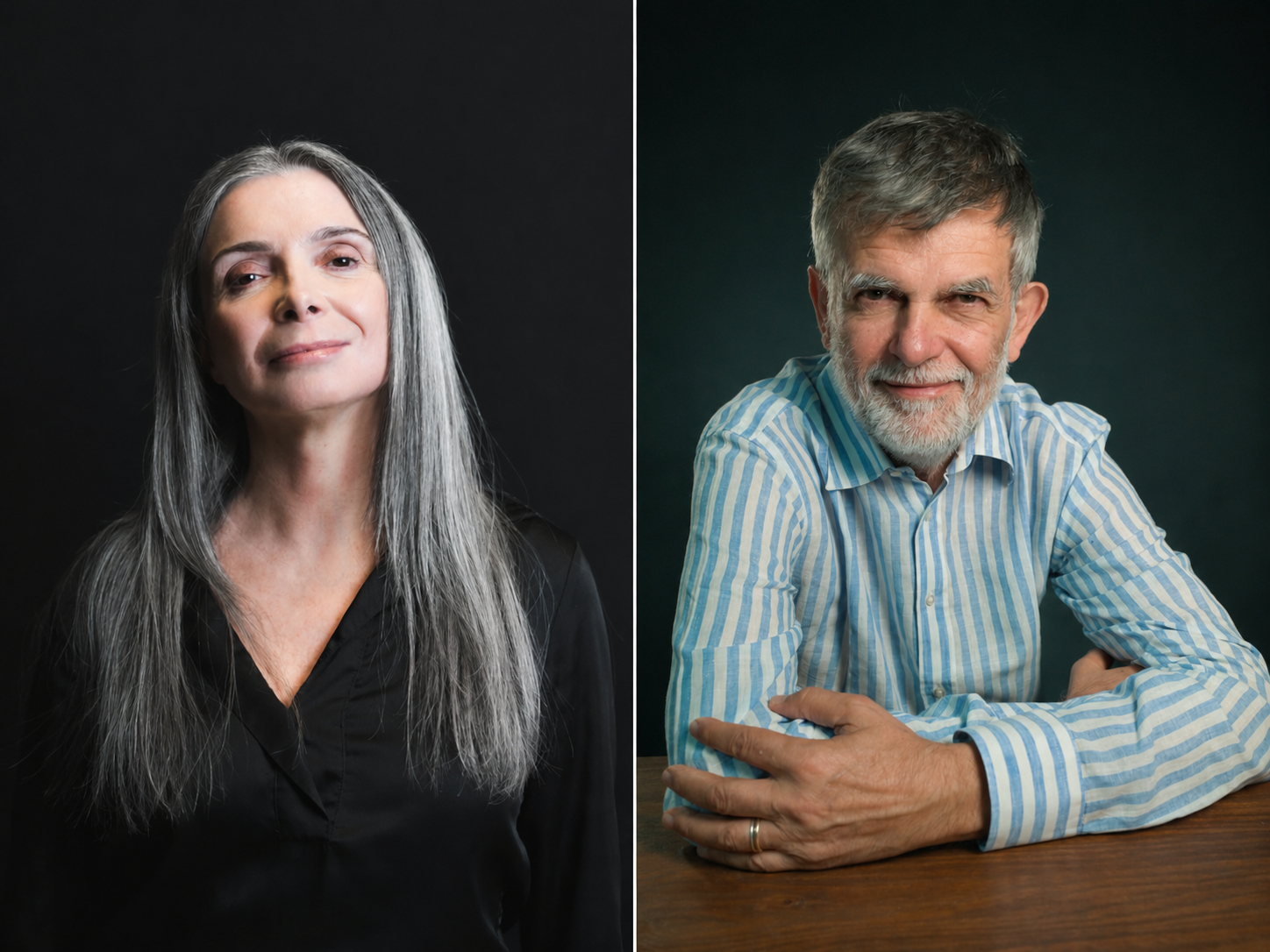
con Jacopo Fo
un progetto di Enrico de Angelis
canto Elena Pau
direzione musicale e pianoforte Alessandro Nidi
trombone Manuel Romei
contrabbasso Alessandro Atzori
batteria Pierpaolo Frailis
voce narrante Enrico de Angelis
Musiche di Fiorenzo Carpi, Enzo Jannacci e altri
produzione La Fabbrica Illuminata ETS in collaborazione con la Fondazione Dario Fo e Franca Rame ETS
Note di Enrico de Angelis
Non lo si sa abbastanza, ma Dario Fo ha scritto un numero enorme di canzoni, per lo più sulle musiche di Fiorenzo Carpi, sia disseminandole nei propri spettacoli teatrali o televisivi sia come creazioni autonome. Fin dai primi anni ’50 il nostro grande uomo di teatro ha avuto l’intuizione di comunicare il suo genio creativo anche attraverso quella formidabile combinazione di parole e musica che è la canzone, utilizzando la parola cantata come strumento di racconto, di critica, di satira, di sberleffo: dalle prime commedie anni ‘50 (le prime risalgono al 1953) ai memorabili recital che lanciarono il talento di Jannacci, dalle varie edizioni dello storico “Ci ragiono e canto” ai grandi modelli di teatro civile che dal ’68 agli anni ’90 lo contraddistinguono nel mondo; oppure destinate a programmi televisivi dell’inizio anni ‘60 come “Chi l’ha visto” o la famosa “Canzonissima”, presto interrotta perché stufi, Dario e Franca, delle continue censure della Rai, fino al ritorno teatrale in Rai di fine anni ‘70. Canzoni in parte satiriche e comiche, in parte dense di forte impegno civile; in parte famose (come quelle scritte con e per Jannacci) e in parte assai rare. Eseguite sia dall’autore sia da Franca Rame, ma anche da dive come Mina o Ornella Vanoni.
Affascinato fin da ragazzo da questo suo repertorio e in generale dal teatro che dal vivo gli ho visto mettere in scena, ho deciso un giorno di approfondirne il lato che maggiormente mi ha più interessato nella vita, quello della canzone d’autore, e ho iniziato a condure a una ricerca che mi ha portato a individuare press’a poco 350 titoli a firma Fo, metà circa dei quali mai apparsi su disco. Quest’ultimo aspetto mi ha particolarmente appassionato, trattandsi di brani che, essendo stati eseguiti solo occasionalmente in tv o in teatro ormai ben 60-70 anni fa e non essndo stati fissati su un oggettivo supporto pubblico, sono andati persi nella memoria collettiva al punto che oggi possiamo ascoltarli come fossero “inediti”, anche in virtù della loro stupefacente attualità. Ne ho ricostruito fino ad ora alcune decine, soprattutto associando testi individuati negli archivi Fo-Rame ai corrispondenti spartiti di Fiorenzo Carpi rintracciati e trascritti, con la collaborazione di Alessandro Nidi, grazie alla disponibiità della figlia del grande compositore, Martina, che mi ha dato accesso al Fondo Carpi diligentemente custodito presso l’Archivio storico del Piccolo Teatro di Milano.
Alcune di queste canzoni inedite su disco sono ora comprese in questo spettacolo, insieme ad alcuni dei grandi classici di Fo, una ragionata scelta che copre il periodo 1958-1967. Quando ho pensato di proporlo a Mattea Fo, oggi presidente della Fondazione Fo-Rame, in occasione del centenario della nascita di Dario, ottenendo subito il suo affettuso favore, non ho avuto dubbi nel pensare a Elena Pau come versatile e raffinata interprete teatrale di questo eterogeneo repertorio. E quando ho saputo che il suo abituale musicista era Alessandro Nidi, mi è apparsa la ciliegina sulla torta, avendolo già ben conosciuto e ammirato in varie occasioni sia come pianista che come arrangiatore. Il quadro si stava già perfettamente componendo quando dalla Fondazione ci è arrivata la sorpresa finale: allo spettacolo sarebbe intervenuto lo stesso Jacopo Fo, che avrebbe fatto pendant ai miei racconti storici e filologici tesi a inquadrare genesi e contesti della canzoni, rievocando in prima persona le proprie memorie familiari legate a quelle straordinarie esperienze teatral-musicali.
Ripercorrere oggi questo repertorio attraverso questa antologia esemplare, cantata e commentata, significa anche ripercorrere una parte importante della storia del nostro Paese, delle cui istanze Dario Fo è stato un eccelso portavoce.
Note di Jacopo Fo
Il rovesciamento delle situazioni è quello che mi ha affascinato fin da piccolo negli spettacoli e nelle canzoni di mio padre e di mia madre. Anche se ero un bimbetto intuivo l’assurdità de tango Fammi ancora un livido sul femore che mio padre cantava mentre danzava con Cannas, il quale era appeso a una fune che scendeva al centro del palcoscenico, come se fosse impiccato, e mio padre lo lanciava a mo’ di altalena facendolo volare di qua e di là per tutta l’ampiezza dello spazio scenico e poi lo riprendeva al volo.
E mi era chiaro che non era mai esistito un inno degli spazzini che erano al livello più basso del consesso civile.
Rovesciare la situazione è stato l’inizio di ogni atto creativo.
La domanda che muoveva la fantasia era: cosa succederebbe se ……?
Un foruncolo potrebbe causare la fine di un amore?
Cosa succede se mandiamo le mamme in guerra al posto dei figli?
Ascoltai per la prima volta Il pianto dei piantatori di piante alla radio quando avevo 6 anni. Ebbi la sensazione che mio padre fosse molto strano… papà poteva raccontare una storia con suoni che non significavano niente.
L’altro rovesciamento è quello del personaggio che è al centro di tutte le commedie. In un mondo di eroi e supereroi mi padre mette in scena personaggi che sembrano imbranati, incapaci, un po’ stupidi. Ma alla fine della storia si scopre che gli stupidi sono gli altri… i vincenti non vincono veramente.
E anche questo è un rovesciamento. La rivolta di un punto di vista fuori dagli schemi. Un dito nell’occhio dei valori dominanti.
Notes by Enrico de Angelis
It is not widely known that Dario Fo wrote an enormous number of songs, mostly set to music by Fiorenzo Carpi. Some were embedded within his theatrical and television productions, while others were conceived as independent works. From the early 1950s onward, Italy’s great man of the theatre had the intuition to channel his creative genius through that extraordinary combination of words and music that is the song, using the sung word as a vehicle for storytelling, criticism, satire, and mockery. From the first comedies of the 1950s (the earliest dating back to 1953) to the memorable recitals that launched the talent of Jannacci; from the various editions of the historic Ci ragiono e canto to the landmark works of political and civic theatre that distinguished Fo internationally from 1968 through the 1990s; from songs written for early 1960s television programmes such as Chi l’ha visto and the famous Canzonissima—which Dario and Franca soon abandoned, weary of RAI’s relentless censorship—to their return to television theatre in the late 1970s. Some of these songs are satirical and comic, others are imbued with a powerful sense of civic engagement. Some became famous (such as those written with and for Jannacci), while others remain exceedingly rare. They were performed not only by Fo himself and Franca Rame, but also by celebrated artists such as Mina and Ornella Vanoni. Fascinated since my youth by this repertoire and by the theatre I had the privilege of seeing him perform live, I eventually decided to explore the aspect that has most interested me throughout my life: the singer-songwriter tradition. I embarked on a research project that led me to identify approximately 350 songs written by Fo, about half of which were never released on record. This particular aspect proved especially captivating. Since many of these songs were performed only occasionally on television or in theatre some sixty or seventy years ago and were never preserved on a publicly available recording, they gradually disappeared from collective memory. Today they can be heard almost as if they were newly discovered works, all the more striking because of their astonishing contemporary relevance. To date, I have reconstructed several dozen of these songs, primarily by matching lyrics found in the Fo–Rame archives with the corresponding scores by Fiorenzo Carpi, which were located and transcribed in collaboration with Alessandro Nidi. This work was made possible thanks to the generosity of Martina Carpi, daughter of the great composer, who granted me access to the Carpi Collection carefully preserved at the Historical Archive of Milan’s Piccolo Teatro. Several of these previously unrecorded songs are included in this performance, alongside some of Fo’s best-known classics. Together they form a carefully curated selection spanning the years 1958 to 1967. When I proposed the project to Mattea Fo, now President of the Fo–Rame Foundation, as part of the celebrations marking the centenary of Dario Fo’s birth, she immediately welcomed the idea with enthusiasm. I had no hesitation in imagining Elena Pau as the ideal interpreter of this varied repertoire, thanks to her versatility and refinement as a theatrical performer. And when I learned that her regular musical collaborator was Alessandro Nidi, it felt like the final piece of the puzzle, having long admired him both as a pianist and arranger. The picture was already perfectly assembled when the Foundation provided one final surprise: Jacopo Fo himself would take part in the performance, complementing my historical and philological commentaries on the origins and contexts of the songs with his own first-hand family memories connected to those extraordinary theatrical and musical experiences. To revisit this repertoire today through such a representative anthology—performed and contextualized—is also to revisit an important chapter of our country’s history, of which Dario Fo was one of the most brilliant and eloquent voices.
Notes by Jacopo Fo
The reversal of situations is what fascinated me most as a child in the plays and songs of my father and mother. Even as a little boy, I sensed the absurdity of the tango Fammi ancora un livido sul femore (“Give Me Another Bruise on My Femur”), which my father sang while dancing with Cannas. Cannas hung from a rope descending from the centre of the stage as if he had been hanged, while my father pushed him back and forth like a swing across the entire width of the stage before catching him again in mid-air. And it was obvious to me that there had never been an anthem for street sweepers—the people occupying the very lowest rung of the social ladder. Turning situations upside down was the starting point of every creative act.
The question that fuelled the imagination was always: what would happen if…?
Could a pimple bring about the end of a love affair?
What would happen if we sent mothers to war instead of their sons?
I first heard Il pianto dei piantatori di piante (“The Lament of the Planters of Plants”) on the radio when I was six years old. I had the distinct feeling that my father was a very strange man… Dad could tell a story using sounds that meant absolutely nothing. The other great reversal concerns the central character found in all his plays. In a world populated by heroes and superheroes, my father put on stage characters who appeared clumsy, incapable, even a little foolish. Yet by the end of the story, it turns out that the real fools are everyone else. The winners do not truly win. And that too is a reversal. A rebellion born from an unconventional point of view. A finger poked directly into the eye of dominant values.